Trewhella Farm
is a certified Biodynamic property that grows a diverse range of berries, herbs and bushfoods. Located in the picturesque Central Highlands of Victoria (less than ten minutes from Daylesford), the farm has rich red volcanic soil and at 700 metres above sea level, receives excellent rainfall. Both the bushfoods and herbs are certified Biodynamic by DEMETER, with the berries in conversion. A small herd of Dexter cattle graze the paddocks, and Bantam chickens provide fresh eggs available to purchase. A bee hive situated amongst the berries ensures the berry flowers are pollinated, as well as producing a uniquely flavoured honey available from our farm shop.


News

Thursday 29 May, 2008

As Autumn draws to a close and we approach the shortest day, it is time to update our news.

Harvesting has finally finished for the year with the kiwi fruit. We managed to harvest some olives, chestnuts and mountain pepper berries this year, which gives us a 6 month harvesting season.

Thanks to WWOOFer Keith for doing a whole lot of home handyman type repairs around the house, sheds and fences, our cattle no longer wander past our boundaries, the stairs are safe to walk upon and the rooves no longer leak, keeping our hay nice & dry.

WWOOFer Ben helped get Prepared 500 (500 with 6 herbal preps) out at the optimum time during the two week period that the moon was descending with light misty rain before the frosts set in.

WWOOFer Michelle helped make the first BD compost heap for the season.

A new bed is being prepared for the herbs with a "Sheet composting" process where cow manure is spread on the lightly ploughed soil and a green manure crop of BD grains such as wheat, barley, rye and oats which has germinated and is growing really nicely with the autumn rains.

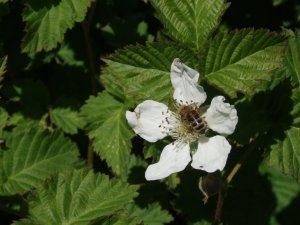
We are now tying up the new vines for next year's crop, taking propagation cuttings and cleaning out the wild blackberries. Thanks to Dad for financing the little Kubota tractor, the wild blackberries should be a distant memory by next season. Though, they have protected the soil beautifully and make a magnificent mulch. The Nashi pear yield went from 100 kg last year to 1000 kg this year with the mulching of the wild blackberries, pruning and the application of the fruit tree prep made from our cow manure, clay, silicate and sulphur (thanks to Justin on instruction from Adrian Martin, who will return again this year to demonstrate pruning at the Fruit Tree field day).

We are now getting ready for the fruit tree field day for the BD gardeners in June and pruning.

Having completed a full three years of BD practices on the Berry Farm, we will be fully certified DEMETER next season.

An article on our farm will be published in the next edition of BD Growing due out next week.

We still have frozen berries, especially blackberries and Tay berries in the freezer in half kg and 5 kg lots. The shop is open by appointment or when the sign is out on the highway.

Friday 29 February, 2008

Blueberries have finished but Nashis are beautiful, juicy and being harvested now!

Wednesday 20 February, 2008

As the fresh berry season draws to a close, it is worth reflecting on the season. We have harvested twice as many berries as last year, but still less than half of the first season. The plants are looking more vibrant , upright and obviously responding well to the BioDynamic practices.

John Bradshaw from BD Growing, which is the best magazine for learning the nitty gritty detail of DEMETER BD, has done a story on us which will appear in his winter edition.

We are now focusing on getting as many berries into the freezer for Mungali BD Yoghurt, which is the best yoghurt we have have tasted, so should be a "fruitful" partnership.

We have managed to harvest the majority of the berries at their peak ripeness, knowing that if they are not sold fresh, they can be frozen for our Mungali order. It has been a pleasant surprise noticing the improved shelf life, up to a week for the Rubus berries and many weeks for the blues, with almost no mould, diseases or even insect damage apparent. We feel that the 501 (Silica preparation) applied during the wet period early in the season has made a lot of difference to the taste, keeping qualities and pest resistance. But then again the little native birds have been busy as well. We had a family of blue wrens nesting in the Marionberries scaring away the parrots, and the magpies seem to be keeping the parrots off the berries also, so bird damage and loss has been very low.

The Blueberries have been particularly good this year with half of them going to the wholesale market via BD Marketing Company and have been very popular, but we are harvesting the last of them now. The blackberries are about half way through their harvest and should another week or two depending upon the weather.

The Nashis, Rosehips and Hawthorn berries will be next. The Rosehips and Hawthorn berries will be processed into a syrup or sale from our shop this year. There will also be a good supply of dried blueberries.

The Medlars are also looking great for anyone interested and knows what to do with them.

We have also managed to sell out at our local Farmers Markets at Lancefield, Wesley Hill and the Daylesford Sunday market, which has increased our local sales.

Wednesday 2nd January 2008

Several days of hot weather has ripened up many berries. We now have Boysenberries, Silvanberries, Loganberries, Raspberries and a new discovery, Tay berries. Check our berries page for a description. The Marionberries and Blueberries are around one week away. Many of these berries sell out early in the day, so please call us on 5348 5593 to reserve your favourite berry!


The Biodynamic DEMETER method
(as taught by Alex Podolinsky)
The DEMETER Biodynamic method of agriculture is a self-sustaining natural form of farming which does not use chemical or artificial fertilizers, pesticides, fungicides or herbicides providing a cleaner healthier product with enhanced nutritional and sensory qualities. The Biodynamic method achieves this by enhancing the microbes within the soil. With a growing number of links being found between diet and disease it is becoming increasingly important to know what we are eating and what effects it has on our state of health.


Berries

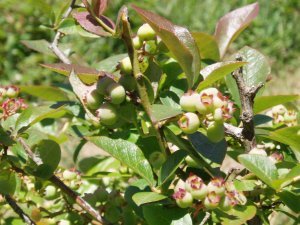
We grow a wide range of berries including raspberries, blueberries, blackberries, loganberries, currants and gooseberries. The berry season begins in December and can last well into May, depending upon conditions. For updates on the upcoming season see our News section. Many of our berries are also made into jams, sauces, vinegars and cordials. We have even been successful in drying our blueberries in our drying unit without the use of chemicals.


Herbs

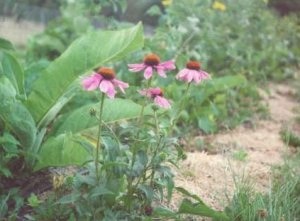
Herbalist Liz Burns has been growing a range of medicinal herbs for ten years using hand cultivation, hand processing, natural spring water, stainless steel and cellophane packaging. Fresh herbs can be harvested and packed within a few hours for overnight transport by Express Post.

Liz Burns has a degree in Agriculture, Diploma in Herb Growing, Graduate Diploma in Dietetics and Advanced Diploma in Classical Herbal Medicine and over 20 years experience in organic/Bio-Dynamic agriculture. 

Many of the herbs are made into fresh plant tinctures and ointments
.


Bushfoods

In the belief that it is better to grow plants in their natural environment rather than forcing them to adapt to a ‘hostile’ environment, we have been cultivating many plants native to the area. These include native raspberry, Mountain Pepper, native River Mint and native Round-leaf Mint.


Contact Us

Location: 19 Cantillons Road, Musk 3461 (ten minutes drive from Daylesford on the road to Trentham and Woodend)

Postal Address: PO Box 82 Trentham 3458

Phone: (03) 5348 5593

Email: trewhellafarm@gmail.com